
The History and Importance of Folklore Music
Folklore music is a unique genre that reflects the culture, history, and customs of a people. This music is passed down from generation to generation, keeping the spirit of the people alive. Azerbaijani folklore music expresses the emotions, life, and struggles of the people through its melodies, rhythms, and lyrics. The place of folklore music in wedding ceremonies allows these traditions to be lived out in a vibrant way and recognized by the younger generation.
In modern wedding ceremonies, the use of folklore music typically serves two main purposes: first, to create a traditional atmosphere for the wedding, and second, to help guests become more acquainted with each other. For example, the festive music performed during the wedding ceremony creates an opportunity for guests to meet and enjoy themselves.
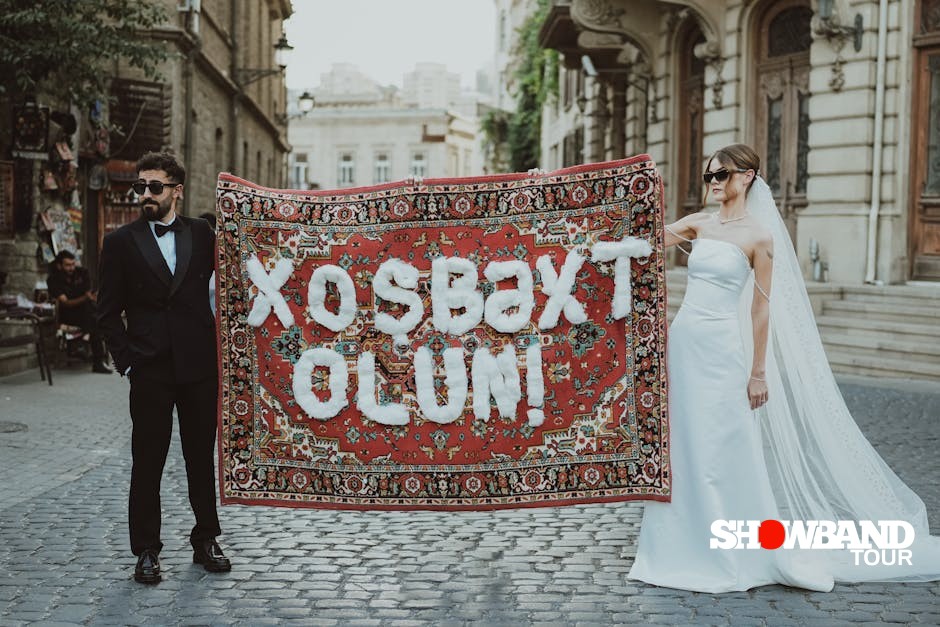
The Role of Folklore Music in Modern Wedding Ceremonies
Folklore music performs many functions in modern wedding ceremonies. Firstly, this music helps to preserve the traditional spirit of the wedding. Many couples choose to stay true to their roots and traditions when holding their wedding ceremonies. For instance, the folklore music performed in the initial segments of the wedding provides guests with a sense of nostalgia.
Secondly, folklore music helps guests connect more closely with one another. For example, dancing to folklore music becomes a symbol of friendship and unity among people. This further enlivens the atmosphere of the wedding and ensures the enjoyment of the guests.

Modern Adaptation of Folklore Music
In recent years, the combination of folklore music with modern music has become a widespread trend. Many musicians create new compositions by blending traditional folklore melodies with modern rhythms. This increases the interest in folklore music among the younger generation. For example, popular singers help adapt these traditions to the modern era by performing folklore music at wedding ceremonies.
Another aspect of the modern adaptation of folklore music is music videos. In contemporary times, the use of folklore music during the filming of wedding ceremonies allows this music to reach a wider audience. The traditional music featured in wedding recordings becomes a part of beautiful moments that will be remembered in the future. You might also find our other article on this topic interesting.
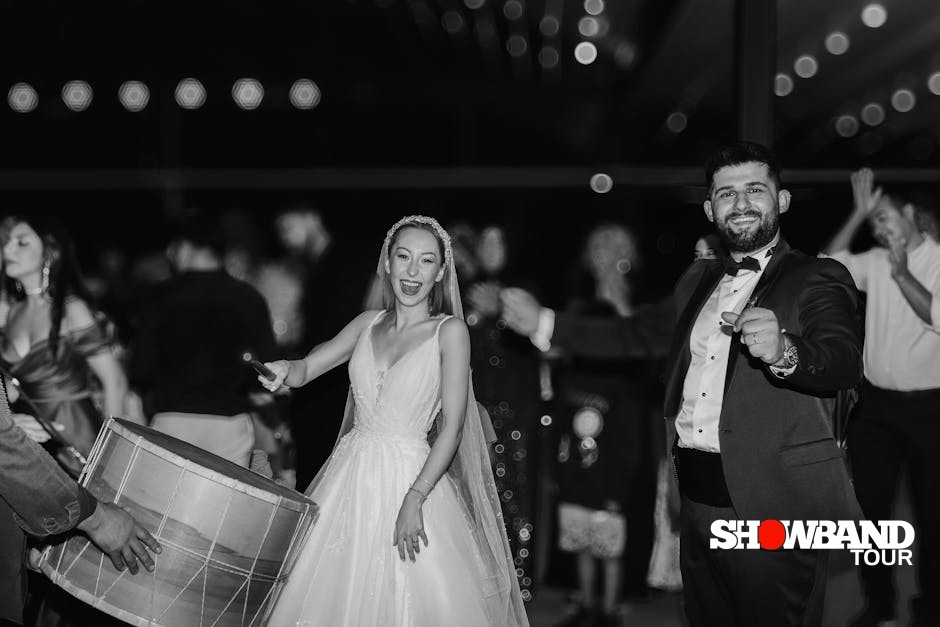
The Selection of Folklore Music
The selection of folklore music in wedding ceremonies depends on the couple's taste and culture. Each couple, when deciding which folklore music will be performed at their wedding, usually considers their family's heritage, traditions, and personal memories. For example, some couples want to make their wedding more special by choosing specific folklore music from their region.
Additionally, it is important to select expert musicians for the performance of folklore music at wedding ceremonies. A beautiful performance is essential for conveying the spirit of folklore music correctly. Such an expert can further enliven the atmosphere of the wedding, ensuring the enjoyment of the guests.
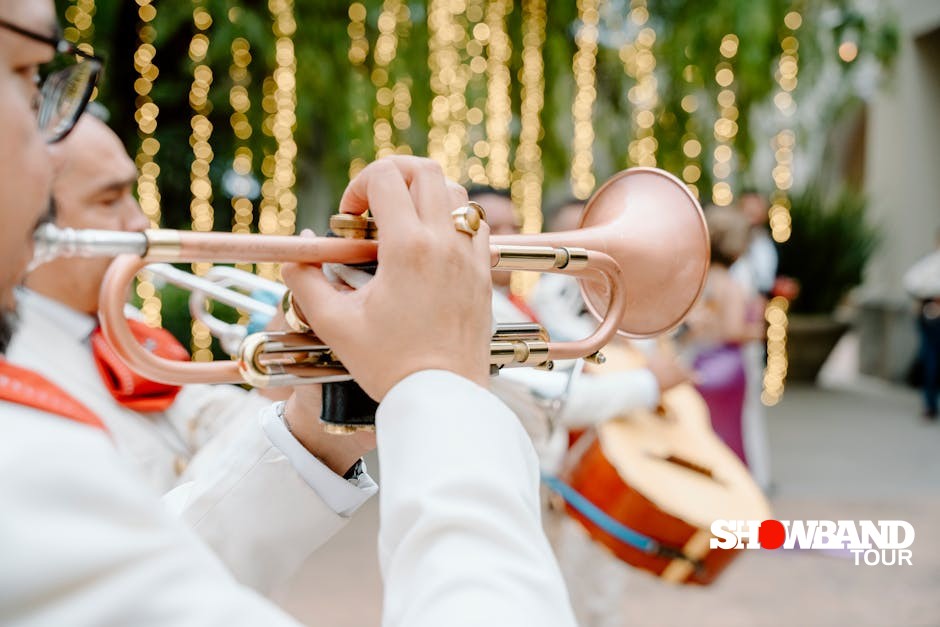
The Impact of Folklore Music on Guests
Folklore music has a significant impact on guests at modern wedding ceremonies. This music elevates the mood of the attendees, creating a fun atmosphere. As guests dance to folklore music, they establish closer relationships with one another.
Feedback from guests after the wedding shows how folklore music influences the success of the event. For more detailed information on this, you can check our relevant article. Folklore music brings people together, enriching the memories of the wedding.
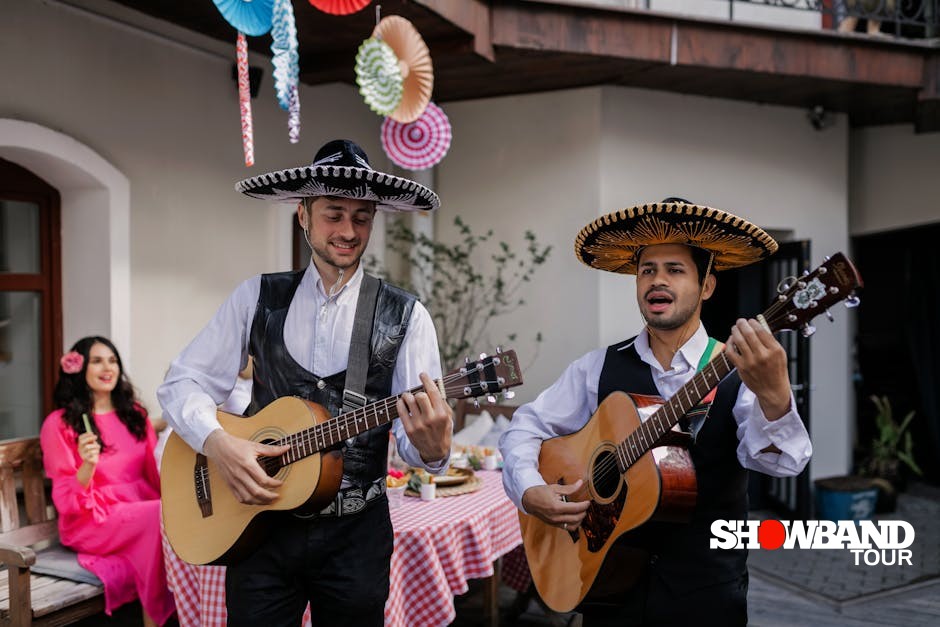
The Future of Folklore Music
The place of folklore music in modern weddings will retain its significance in the future as well. Young couples will want to preserve traditions in their weddings and adapt folklore music to modern demands. This indicates a bright future for folklore music.
Thus, the place of folklore music in wedding ceremonies is not limited to music alone. It is also about the preservation of a culture, a heritage. Wedding ceremonies serve as an important platform for the dissemination of folklore music.